
"washed coffee Bolivia"
400 article(s) found

A brief introduction to the history and culture of the origin and development of Bolivian boutique coffee beans with rich sour taste
The early Bolivian coffee was of low quality and the market was very poor. Usually the picked coffee fruit is bumped all the way to the processing plant after a simple peeling treatment. Due to the imperfect infrastructure, the traffic is underdeveloped. Coffee farmers have to overcome the rugged mountain road and transport the beans to the higher altitude area of La Paz for washing. If the coffee fruit can not be delivered to the processing in time

A brief introduction to the origin, development, history and culture of high-grade vanilla sweet Bolivian boutique coffee beans
In the past, most of the coffee in Bolivia was of mediocre quality, but in recent years, the production of boutique coffee has developed rapidly, and there have been a lot of pretty good beans. In recent years, the COE (Cup ofexcellence) system, which was first implemented in Brazil, has become more and more popular. Bolivia has also introduced this system, which can stimulate the enthusiasm of coffee farmers on the one hand and improve it on the other.

Introduction to the characteristics of producing areas in the description of planting environment and flavor of coffee in Bolivia
Bolivia is 1/3 of the Andean mountains, rugged terrain, mainly road transport, accounting for more than 85% of transportation. The main railway and road networks are concentrated in the west, and remote areas rely on air communication. But road coverage is the lowest in South America. And there is also the Ronggas Highway, the world's first insurance road known as the road to death. There is no developed economy here. It is the poorest in South America.

Introduction to the characteristics of coffee flavor and taste of Bolivian snow vein manor with rich sour taste
It formed a federation with Peru in 1836 and collapsed as a result of the Chilean invasion in 1839. In 1863, rich saltpetre deposits were discovered in Atacama province along the Pacific coast. In 1879, Chile sent troops to occupy the mining area, and Bolivia joined forces with Peru to wage the Pacific War with Chile. Bolivia was defeated in 1883 and ceded the saltpeter-rich Pacific coast to Chile, Bolivia in 1904.

Characteristics of Bolivian coffee beans Bolivian coffee drinking method
Professional barista exchanges please follow the coffee workshop (Wechat official account cafe_style) Lake Titicaca Copacabana country: Bolivia altitude: 3812m production area: Lake Titicaca roasting degree: moderate baking treatment: washed Lake Titicaca is located on the Coao Plateau on the border between Bolivia and Peru, is the highest and largest light in South America

Characteristic Information and Flavor description of Bolivian Coffee Bean
Professional barista exchanges please follow the coffee workshop (Wechat official account cafe_style) Lake Titicaca Copacabana country: Bolivia altitude: 3812m production area: Lake Titicaca roasting degree: moderate baking treatment: washed Lake Titicaca is located on the Coao Plateau on the border between Bolivia and Peru, is the highest and largest light in South America

A brief introduction to the market price of Bolivian boutique coffee beans with balanced taste
Bolivia has made a lot of efforts to improve the quality of coffee, stimulate the enthusiasm of coffee farmers and make coffee farmers have a deeper understanding of fine coffee. After the introduction of the COE competition, in the first COE competition held in 2004, there were 13 boutique bean cups with a total score of more than 84 points, and the champion bean score was as high as 90.44 points.

Bolivian fine coffee beans with rich sour taste
Bolivia not only has a unique growing environment, but also has an excellent coffee variety Typica. For 200 years, the coffee varieties in Yangas have been dominated by the ancient Tibica. The Tibica variety has a balanced and soft flavor, with lively aromas and rich acidity. Unfortunately, Tibica's yield is low and its disease resistance is poor, making Bolivia's

Bolivian coffee with dry aroma of almonds; taste treatment; roasting degree of fine coffee beans
Country: Bolivia altitude: 3812m production area: Lake Titicaca baking degree: medium baking method: washing variety: iron pickup producer: tapper Gabbana small farmer flavor: roasted nuts and almonds. Orange and pomelo Bolivian coffee has the advantage of high altitude and excellent varieties of coffee, where the traditional Tibica and a small amount of Kaddura are in the world market.

Cultivation of Bolivian boutique coffee beans with dried almonds: a brief introduction to geographical location, climate and altitude
Bolivia not only has a unique growing environment, but also has an excellent coffee variety Typica. In the past two hundred years, the main variety of coffee in Yanggas area is the ancient Tibica. Tibica coffee has a balanced and soft flavor, with lively aroma and rich sour taste. Unfortunately, the low production of Tibika and its poor disease resistance make Bolivia's

Introduction to the production area of Bolivian Coffee with rich and unique aroma
Wash Bolivia by hand with a cup of water, it is recommended to use 15 grams of powder at 87 degrees water temperature, ratio of water to powder at 1:15, moderate grinding (small Fuji ghost tooth knife 3.5-4 grinding), V60 filter cup, the first injection of 30g water for 25s steaming, injection to 110g water cut off, waiting for powder bed water to half of the water and then water injection, slow water injection until 230g water, not at the end, extraction time 2fun 00s flavor: roasted nuts and apricot.

Brief introduction of rich and unique treatment methods for grinding degree and baking degree of Bolivian boutique coffee beans
Bolivia has made a lot of efforts to improve the quality of coffee, stimulate the enthusiasm of coffee farmers and make coffee farmers have a deeper understanding of fine coffee. After the introduction of the COE competition, in the first COE competition held in 2004, there were 13 boutique bean cups with a total score of more than 84 points, and the champion bean score was as high as 90.44 points.

Introduction to the Fine Coffee Bean Manor in the Coffee Variety producing area of Snow vein Manor in Bolivia
The legal capital, the seat of the Supreme Court, with a population of 284000, 2790 meters above sea level. Founded in 1538, the city was formerly known as Chuquisaka. The city witnessed the first uprising in South America against Spanish rule in 1809. Bolivia declared its independence here in 1825 and became the capital in 1826. In 1839, it was renamed Sucre to commemorate the second president of Bolivia, General Antonio Jos é Sucre.
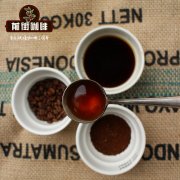
Bolivian coffee transportation difficulties limit the speed of its coffee development boutique coffee
Professional coffee knowledge exchange more coffee bean information please pay attention to the coffee workshop (Wechat official account cafe_style) Bolivia (Bolivia) Bolivian coffee, due to transportation difficulties limit the speed of development of its coffee, but the quality is not poor, Bolivian beans, are of good quality, with obvious fruit tone, sometimes with floral flavor.

Introduction and flavor description of organic coffee beans on Mamani Family Farm in Bolivia
Professional barista exchanges please follow the coffee workshop (Wechat official account cafe_style) Bolivia Marmani family farm organic beans Bolivia is a landlocked country known as the ancient plateau, coffee is mainly produced in the plateau 1200 ~ 2000 meters above sea level, the main producing areas are Caranavi Karanawi in the north and Santa Cruz Santa Cruz in the south, both of which are cultivated on small farms.

A brief introduction to the treatment method of grinding degree and baking degree of Bolivian boutique coffee beans with balanced taste
Bolivia has made a lot of efforts to improve the quality of coffee, stimulate the enthusiasm of coffee farmers and make coffee farmers have a deeper understanding of fine coffee. After the introduction of the COE competition, in the first COE competition held in 2004, there were 13 boutique bean cups with a total score of more than 84 points, and the champion bean score was as high as 90.44 points.

A brief introduction to the history and culture of the origin and development of Bolivian boutique coffee beans with balanced taste
Bolivia has made a lot of efforts to improve the quality of coffee, stimulate the enthusiasm of coffee farmers and make coffee farmers have a deeper understanding of fine coffee. After the introduction of the COE competition, in the first COE competition held in 2004, there were 13 boutique bean cups with a total score of more than 84 points, and the champion bean score was as high as 90.44 points.

Citrus sour Bolivian Coffee Manor Snow vein Manor planting situation Climate altitude brief introduction
The early Bolivian coffee was of low quality and the market was very poor. Usually the picked coffee fruit is bumped all the way to the processing plant after a simple peeling treatment. Due to the imperfect infrastructure, the traffic is underdeveloped. Coffee farmers have to overcome the rugged mountain road and transport the beans to the higher altitude area of La Paz for washing. If the coffee fruit can not be delivered to the processing in time

Introduction of handmade coffee in Gopagabana, Lake Diditicaca, Bolivia
Professional coffee knowledge exchange for more information about coffee beans, please follow the coffee workshop (Wechat official account cafe_style) Bolivia. Lake Diditicaca. Gopagabana production area: Diditicaca Lake producer: Gopagabana (Copacabana) small farmers altitude: about 1500m 1650m varieties: Tibikadura treatment: washing harvest time: June to December flavor description:

A brief introduction to the market price of rich and unique Bolivian boutique coffee beans
The overall taste of Bolivian coffee is rich and balanced, the aroma is rich and unique, similar to the mixture of flower and fruit aroma, impressive. The perennial low temperature environment makes the coffee fruit grow slowly, compact enough, the aroma is also charming, the floral aroma is obviously medium and low acidity, but the feeling is not monotonous, on the contrary, it appears soft and fresh, with the sour taste of citrus fruit. Because of Bolivie